Coordination of Benefits Denials and Payer Dispute Rules
How three denial types—order disputes, stale coverage data, and payer errors—stall most COB claims.
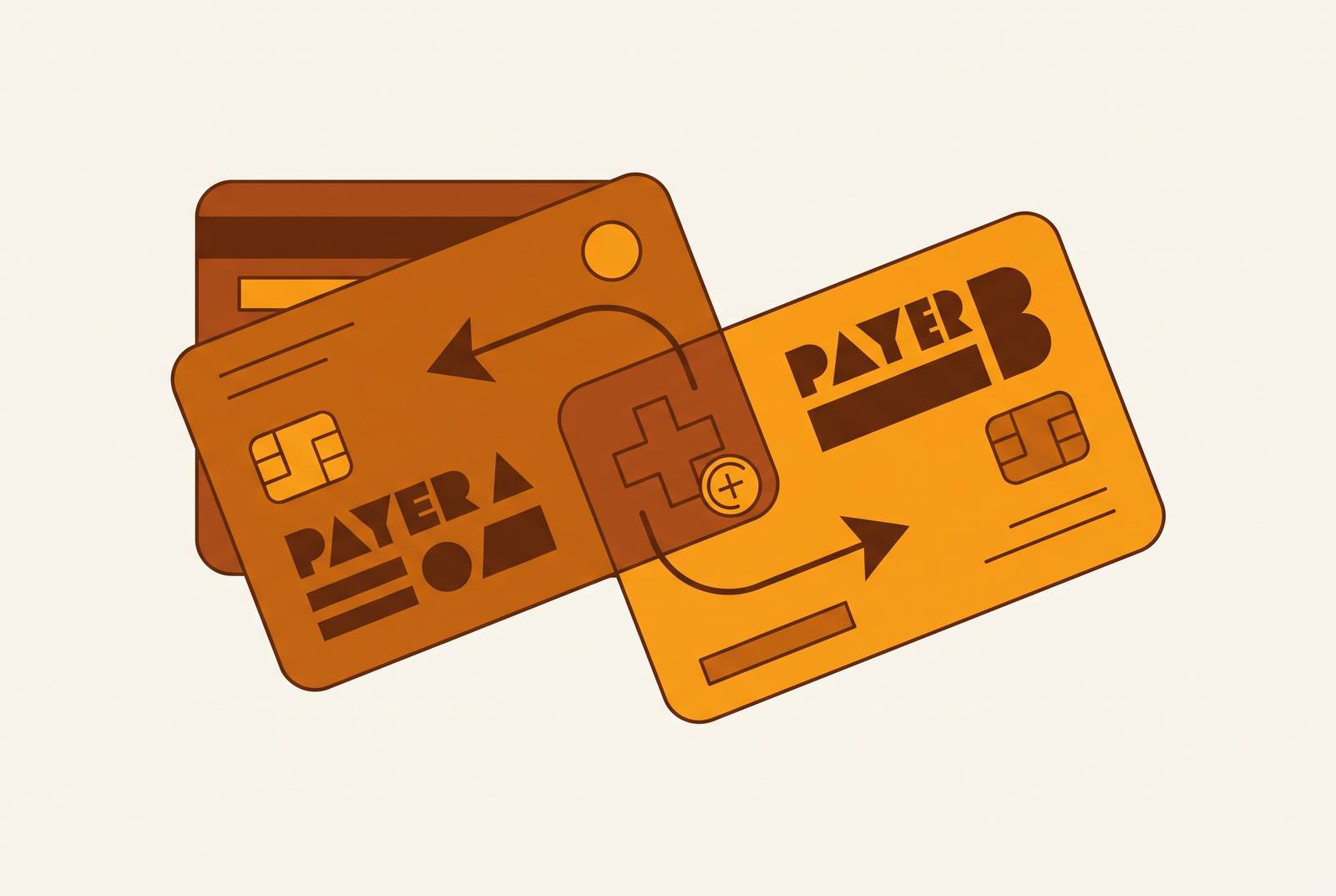
Coordination of benefits exists so that when a patient carries two or more insurance plans, the total amount paid across those plans never exceeds the allowed amount for the service, a sound goal on paper. Insurers need a mechanism to figure out who pays first and who pays the remainder, and without one, duplicate payments and coverage gaps would be routine. But the machinery built to enforce that goal is the same machinery producing the bulk of COB-related denials.
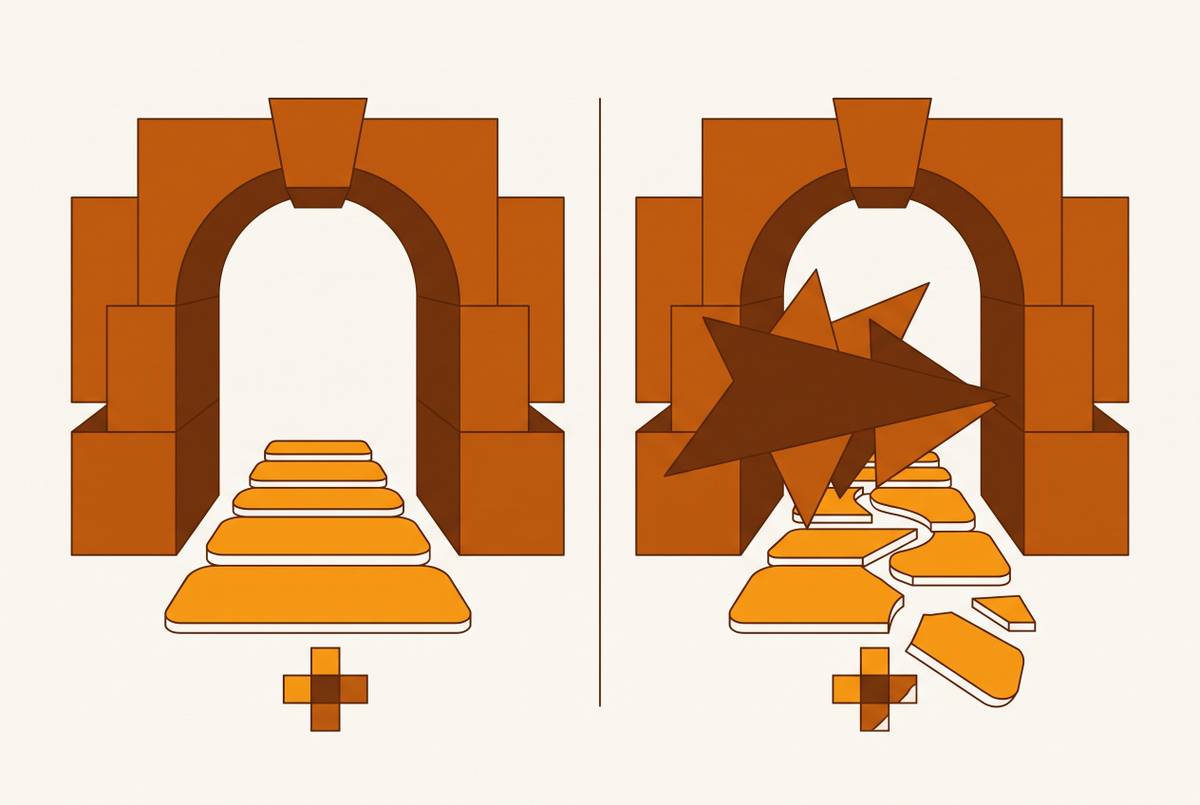
The sequence sounds simple enough. The primary payer processes the claim first and issues an EOB. The secondary payer reviews that EOB and pays whatever remains within its own allowed amount. Break any link in that chain, though, and the claim doesn't just slow down. It stalls in a way that neither payer feels obligated to fix, because the primary insists it was never billed and the secondary insists it can't pay without a primary EOB in hand.
Order-of-liability rules add another layer of friction, because they don't follow common sense. A patient's own employer plan pays before a spouse's plan does. The birthday rule, not the age of the parent, decides which parent's plan covers a dependent child first. COBRA coverage is always secondary to an active group plan, Medicaid is payer of last resort by law, and where Medicare fits in the order depends on the patient's employment status and plan type. Divorce complicates things further: the custodial parent's plan is generally primary, except when the custodial parent holds only an individual policy or COBRA and the non-custodial parent carries a group plan, in which case the group plan takes precedence.
Medicare adds a wrinkle of its own. Claims can cross over automatically, with Medicare transmitting claim data directly to a patient's supplemental plan. That crossover isn't guaranteed to work, though, and when it fails, the provider has to submit manually to the secondary payer instead of relying on the automated handoff. Multiply that across birthday rules, custody exceptions, COBRA hierarchies, and Medicare's conditional position, and COB becomes a central mechanism embedded throughout claims processing. It's the point in the process where claims most often get stuck.
The three COB denial types that account for most stalled claims
Not every COB denial has the same cause, and treating them as one undifferentiated problem is how practices end up appealing on the wrong grounds and losing anyway. Three distinct types account for most stalled claims, each with its own trigger and its own fix.
Order-of-liability disputes happen when the insurer decides a different plan, often the patient's employer plan, a spouse's plan, or Medicare, should have paid first. This is especially common among newly Medicare-eligible patients who keep their employer coverage: the commercial payer denies the claim until the member updates COB or produces documentation showing Medicare was formally waived as primary. It also occurs when both spouses hold coverage under the same insurer, since the adjudication system has no way to determine which policy is primary without an explicit COB election from the member on file. The patient, not the practice, has to initiate a COB update with the insurer to fix this, a process that can take a week or longer to finalize. The practice can't force that timeline, but it can document the outreach and hold the claim rather than writing it off prematurely.
Stale or missing coverage data is a separate problem. A patient's insurance changes (a policy terminates, a dependent ages off a parent's plan, a spouse's coverage ends) but the provider's system or the payer's own database never catches up. Claims go out to a lapsed policy and get denied automatically, while the coverage that's actually active gets billed second, or not at all. A missing EOB from the primary payer is a related but distinct variant: the secondary can't adjudicate anything without that document, so the claim pends indefinitely if the primary never processed it. Submitting to the secondary payer first, before the primary has weighed in, triggers an automatic denial too, since the secondary has nothing to reference. Nearly all of these trace back to the same root cause: incomplete or inaccurate registration data collected at intake.
Payer cross-reference errors are the third type, and arguably the most frustrating for practices because the fault sits entirely with the payer. A payer's internal database flags a patient as having other active coverage, maybe a lapsed policy, a waived Medicare eligibility, or a terminated employer plan, and auto-denies the claim pending COB resolution. BCBS updated its COB verification logic in 2025 to cross-reference its member database against third-party insurance databases more aggressively, and that update has been producing false COB hits, auto-denying claims that were filed correctly in the first place. The coverage flagged as "other" is frequently not active at all, yet the burden of proving that falls on the practice, not the payer. Resolving it means getting a letter of non-coverage or termination confirmation from the flagged plan and submitting that as supporting documentation.
How BCBS handles COB denials and what its appeal path requires
Blue Cross Blue Shield is a federation of more than 30 independent licensees, including Anthem, BCBS of North Carolina, BCBS of Texas (operating under HCSC), Florida Blue, Premera Blue Cross, Highmark, and BCBS of Massachusetts, and each one runs its own appeal forms, submission portals, fax numbers, and clinical criteria review process. A COB denial from BCBS of Texas and a COB denial from BCBS of Massachusetts may share the same underlying dispute type and still require entirely different paperwork routed to entirely different places.
The code to look for on the EOB is CARC 22, which flags that the care may be covered by another payer under coordination of benefits rules. Attached to it will be RARC codes that narrow down the actual issue: an incorrect payer order, a missing primary EOB, or unresolved COB status still sitting with the member. Those RARC codes determine which of the three denial types from the section above is actually in play, which matters more for resolving the claim than the CARC code itself.
The 2025 update to BCBS's verification logic deserves particular attention here, because it has changed the volume and shape of COB denials practices are seeing in 2026. The more aggressive cross-referencing against third-party insurance databases is generating false COB hits: claims denied because BCBS's system believes another active plan exists when it does not. For a four-provider internal medicine group, the annual revenue exposure from false BCBS COB denials alone can run into the tens of thousands of dollars. Resolving a false hit doesn't call for a clinical narrative or a corrected claim. It calls for the patient obtaining a termination letter or letter of non-coverage from the flagged insurer and submitting that document alongside the formal appeal.
Timing compounds the risk. BCBS Texas holds a shorter standard appeal window than BCBS Illinois, and Medicare Advantage reconsiderations across affiliates have a defined deadline that varies by plan. Missing one affiliate's shorter window turns a claim that was fully recoverable into a permanent write-off, with no further appeal path available. Where the denial involves a BCBS-managed Medicare Advantage plan, the payer-order dispute has to be resolved before the MA plan will even adjudicate the claim. CMS-0057-F, effective January 1, 2026, now requires MA plans to state a specific reason for denied prior authorization requests involving non-drug services, which gives practices a firmer basis for appeal than existed before this year. Routing errors remain one of the most common reasons BCBS COB appeals fail on procedure alone rather than merit: sending the appeal to the wrong affiliate's portal or fax number delays it or loses it outright, so confirming which affiliate issued the denial, straight from the EOB, has to happen before anything gets submitted.
Medicare Advantage COB Denials vs. Commercial COB Denials
The most frequent MA COB denial happens when a claim goes to the MA plan as primary, but the patient also carries an employer group plan that should have paid first. The MA plan denies the claim, and the provider is left to determine which employer plan actually governs and confirm whether the patient's enrollment in it is still active. That determination sits outside the routine order-of-liability rules that apply to two commercial plans, because Medicare's own eligibility and enrollment status factors into the answer. COB denials under MA plans follow a distinct set of triggers because MA plans sit inside the Medicare framework but apply proprietary utilization management on top of it, creating a layered order-of-liability problem that commercial-only practices often misread.
CMS-0057-F changes what practices can do with that determination once they've made it. Effective January 1, 2026, the rule imposes specific timelines on MA plans for prior authorization decisions: expedited requests must be answered within hours, standard requests within a set number of calendar days. It also requires MA plans to state an actual reason for the denial, rather than a generic code, which changes how practices document and appeal COB-related denials under MA specifically. The same rule requires MA plans to publish approval rates, denial rates, appeal outcomes, and decision times annually in a standardized public format. For the first time, that makes plan-level denial behavior comparable across MA issuers, and it gives practices documented evidence when a particular plan's COB denial rate looks like an outlier against its peers.
Medicare crossover claims run on an entirely separate workflow. Medicare transmits claim data automatically to a patient's supplemental plan, but the automation doesn't always hold. When the crossover fails, the provider has to submit manually to the secondary payer with the Medicare EOB attached, and the supplemental insurer won't process the claim without that document in hand.
Why COB denials compound when front-end verification is skipped
Most of the denial types covered so far share a single upstream cause. The majority of COB denials trace back to specific upstream failures in incomplete or inaccurate registration data collected at intake, not to errors made later during claim preparation or billing. An incorrect payer order, a secondary policy that never got recorded, or outdated coverage information sitting in the system are intake failures that appear downstream as denials that look like payer problems but started as data problems.
Some patterns recur often enough to name directly. Registration may fail to capture that a patient recently aged into Medicare eligibility while keeping employer coverage, and the commercial payer will deny the claim until COB gets updated. A divorce or custody change may never make it into the coverage record, so the birthday rule or the custody-based payer order gets applied against the wrong plan. A spouse's plan termination goes uncommunicated at intake, and the practice ends up billing a lapsed policy as secondary, drawing an automatic denial for coverage that no longer exists. Both parents carrying coverage under the same insurer creates yet another version of the same problem, since the adjudication system has no way to self-resolve which policy is primary without an explicit COB election already on file.
COB updates are a member-initiated process, which causes denials whenever the patient doesn't complete them before a claim is filed. Updating coordination of benefits with an insurer is the patient's responsibility, not the practice's, yet the practice absorbs the financial consequence whenever the patient doesn't handle it. That mismatch between who's responsible and who pays the price is the reason COB denials keep recurring across specialties and payer types.
Pre-visit eligibility verification is the point in the workflow built to catch this before it becomes a denial rather than after. Done properly, it checks not just whether coverage is active, but which plan is primary and whether COB has actually been updated with the payer on record. Since a COB update can take a week or more to finalize once it's initiated, catching the problem at intake, rather than discovering it after a claim has already been denied, gives the practice time to resolve it before the claim is even due. That's the entire difference in outcome: the same underlying coverage problem, caught a week earlier, costs a phone call instead of an appeal.
The operational workflow for working a COB denial the moment it arrives
A COB denial left sitting in a queue is a COB denial that's likely gone for good. Appeal windows are payer-specific and short, the evidence required differs by denial type, and a claim sitting in a queue past its window is permanently unrecoverable.
Start by reading the EOB in full before taking any action at all. Identify the CARC code: CARC 97 typically signals a BCBS COB dispute, CARC 22 flags coordination of benefits generally, and CARC 29 points to timely filing, which matters if the COB delay itself pushed the claim past its filing deadline. Check the RARC code next for the specifics: whether the actual issue is payer order, a missing primary EOB, or unresolved COB status still sitting with the member. Confirm whether the payer issued the denial directly or through a delegated reviewer, and note the appeal deadline printed on the notice itself rather than assuming a standard window applies, since BCBS affiliates and MA plans vary enough that assumption is a costly habit.
From there, match the denial to its resolution path. An order-of-liability dispute means contacting the patient to start a COB update with the insurer, documenting that outreach, holding the claim rather than writing it off, and resubmitting once the COB election is on file. A false COB hit means getting a termination letter or letter of non-coverage from the flagged plan and submitting it with the formal appeal to the correct payer portal. A missing primary EOB means locating or re-requesting that document and resubmitting to the secondary with it attached, or, if the primary claim was never processed at all, submitting to the primary first.
Even a correctly built appeal goes unread if it is routed to the wrong place. BCBS affiliates each run distinct portals and fax numbers, so confirming the affiliate from the EOB before submitting anything is a required step, not an optional one. MA plan COB appeals go through that plan's formal reconsideration process, and CMS-0057-F now requires the plan to state an actual denial reason, which becomes the foundation the appeal is built on. UHC COB disputes run on a different CARC taxonomy entirely: UHC uses CARC 4 for modifier-related bundling disputes, and its COB-specific codes differ from BCBS's, so confirming the correct code before building the appeal package prevents wasted effort on the wrong argument. Getting the routing and the code right the first time is what turns a stalled claim back into paid revenue instead of a permanent loss.
Sources
- Payer-Specific Denial Patterns: How UHC and BCBS Are Denying Claims in 2026
- Manage Coordination of Benefits (COB) Denials
- BCBS Denied Claim: What Providers Do Next (2026 Guide) | Muni Health
- How Coordination of Benefits Reduces Duplicate Payments and Claim Denials
- Coordination of Benefits | DenialCrusher Glossary
- Coordination of Benefits Rules Explained: 2026 COB Guide USA
- Coordination of Benefits Denials | Flexbone
- coba implementation user guide version 74 october 2024